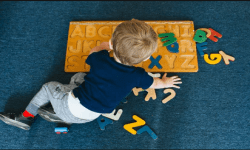
What does does this rebus picture means ?

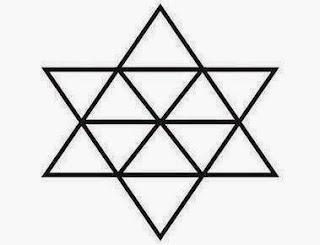
Solve the counting riddle by identifying the number of triangles in the given picture.
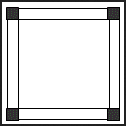
In the given figure, you can see that four match sticks are used to form a square. Can you form five squares by using six matches?
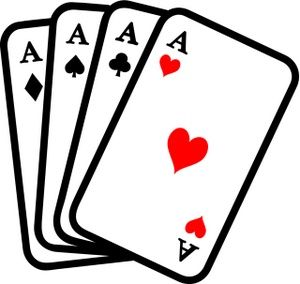
Two friends were stuck in a cottage. They had nothing to do and thus they started playing cards. Suddenly the power went off and Friend 1 inverted the position of 15 cards in the normal deck of 52 cards and shuffled it. Now he asked Friend 2 to divide the cards into two piles (need not be equal) with equal number of cards facing up. The room was quite dark and Friend 2 could not see the cards. He thinks for a while and then divides the cards in two piles.
On checking, the count of cards facing up is same in both the piles. How could Friend 2 have done it ?