A rubber ball keeps on bouncing back to 2/3 of the height from which it is dropped. Can you calculate the fraction of its original height that the ball will bounce after it is dropped and it has bounced four times without any hindrance ?
Can you find the ages of a son, father and grandfather based on the following facts?
The sum of the ages of grandfather, father and son is 140 years.
The age of the son in months is the same as the grandfather in years.
The age of the son in days is the same as the father in weeks.
In a town, there are four houses located at different distances from each other. Following are the distances:
The third house is 60 meters apart from the first house.
The fourth house is 40 meters apart from the second house.
The third house is 10 meters nearer to the fourth house than it is to the second house.
Can you find out the distance between the fourth and the first house?
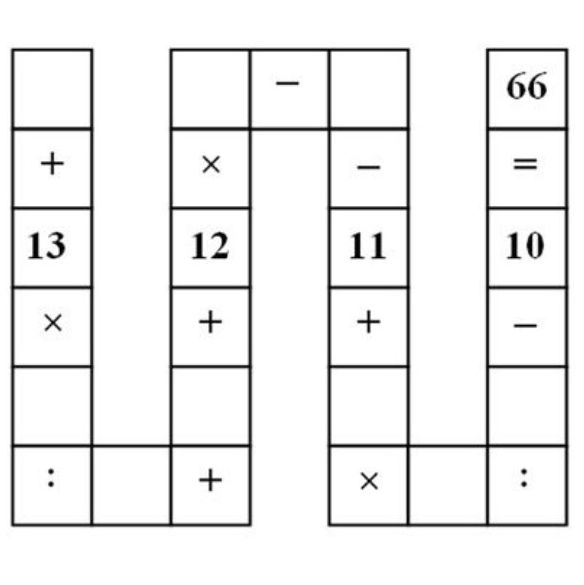
In case you were starting to feel confident, this one was meant for third graders in Vietnam. The answer is 66, but we don't blame you for scratching your head about how they got there.