If a zookeeper had 100 pairs of animals in her zoo, and two pairs of babies are born for each one of the original animals, then (sadly) 23 animals don’t survive, how many animals do you have left in total?
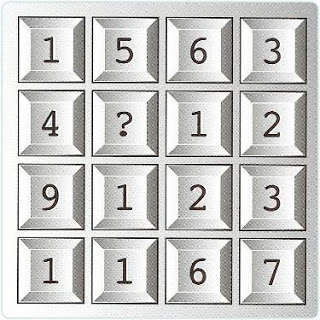
We have arranged an array of numbers below. What you have to do is use any kind of mathematical symbol you know excluding any symbol that contains a number like cube root. You can use any amount of symbols but you have to come up with a valid equation for all of them.
Before the start of the car race, John and Jacob have the same amount of fuel in their car. With this fuel, John can drive for 4 hours while Jacob can drive five hours.
After a time they realize that the amount of fuel left in John's car is 1/4th of the fuel in Jacob's.
John was a very careless driver, so his owner Jacob gave him an offer that he will get an incentive of Rs.30 for every bottle box he delivered without breaking it and he will be charged Rs.90 for every bottle box he broke. Jacob gave John 100 bottles-box to deliver. After delivery, Jacob paid John Rs.2400. How many bottles-box did John break?
In a classic wine shop, the list of three most popular wines are:
- The cost of 1 French wine bottle: 500$
- The cost of 1 German wine bottle: 100$
- The cost of 20 Dutch wine bottles: 100$
John entered the wine shop and he needs to buy
- All three types of wine bottles.
- Needs to buy Dutch wine bottles in multiples of 20.
- Need to buy 100 wine bottles in total.
John has only 10000$. How many wine bottles of each type, John must buy?