
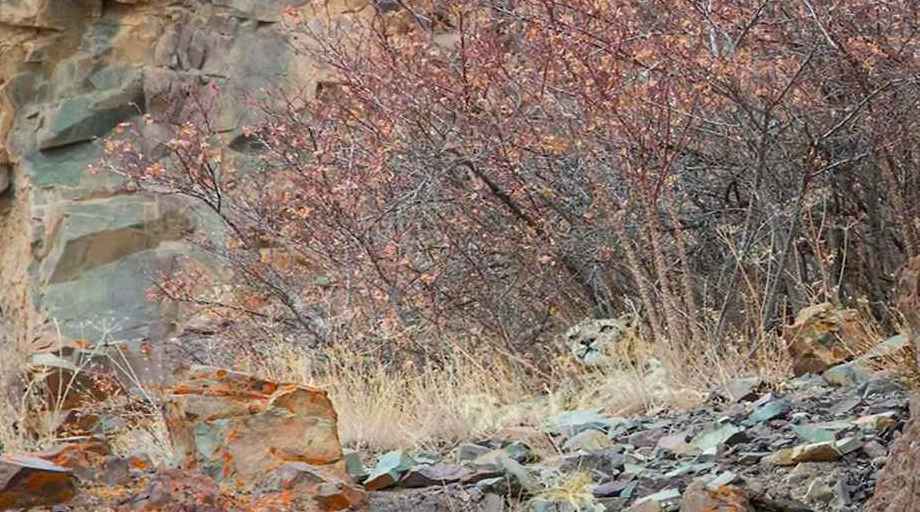
A leopard is hiding in plain sight in the bushes. Only the sharpest eyes can spot the elusive cat. Can you? Test your eye power now!
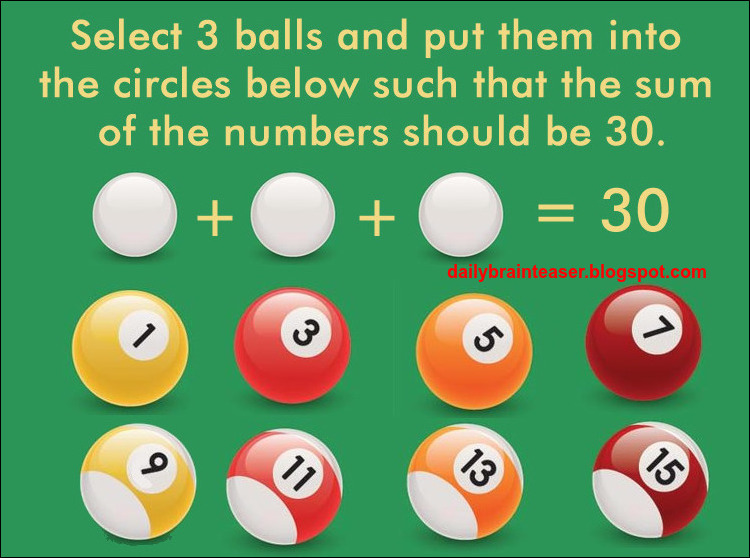
Can you place three balls such that the equation shown in the picture holds true?
A journalist was investigating a sacred cult in the jungles of Africa when he was caught by one of the person. He was confined in a cave till the leader arrived. The leader told him that he need to tell him a statement. If he thinks the statement is true, then the journalist head will be chopped off. If he thinks that the statement is false, his head will be smashed with a hammer.
What statement did the journalist make to survive?