P is the father of Q and S is the son of R. T is the brother of P and has a daughter U. If R is the sister of P, then what is the relation between U, Q and S?

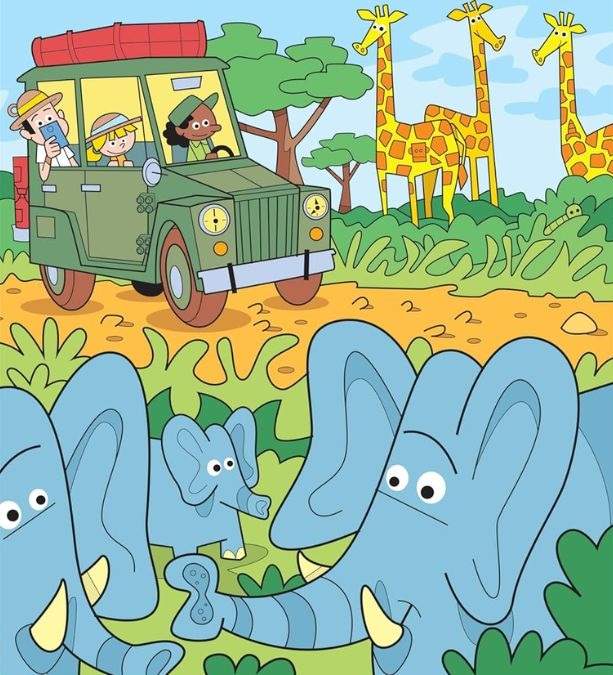
If you can spot the hidden clock quickly, you are often those with high IQs and exceptionally keen observation skills. You excel in noticing the finest details that others might miss and can process visual information at lightning speed.
The king of Octopuses has servants who have six, seven or eight legs. The distinguishing characteristics of the servants is that the one with seven legs always lie but the one with either six or eight legs speak the truth always.
One day, four servants meet and converse:
The black one says, 'We have 28 legs altogether.'
The green one says, 'We have 27 legs altogether.'
The yellow one says, 'We have 26 legs altogether.'
The red one says, 'We have 25 legs altogether.'
Can you identify the colour of the servant who is speaking the truth?

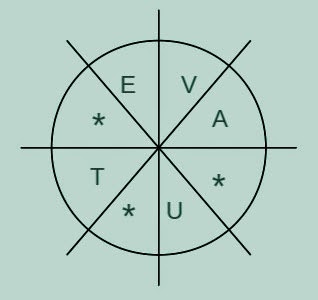
If you read clockwise, you can form a word by inserting three missing letters in the picture given below. Can you do it?