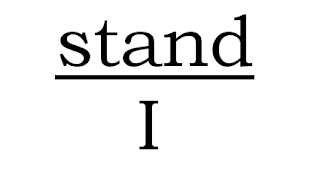
He digs out tiny caves and stores gold and silver in them. He also built bridges of silver and made crowns of gold. They are the smallest you could imagine. Sooner or later everybody needs his help, yet many people are afraid to let him help them. Who is he?
A father is locked up in jail. His wife has gone bankrupt. Their male child has to sell his hotel in order to gain some money. Yet their girl child does not care and is quite happy.
The Brit lives in the red house.
2. The Swede keeps dogs as pets.
3. The Dane drinks tea.
4. The greenhouse is on the immediate left of the white house.
5. The greenhouse’s owner drinks coffee.
6. The owner who smokes Pall Mall rears birds.
7. The owner of the yellow house smokes Dunhill.
8. The owner living in the centre house drinks milk.
9. The Norwegian lives in the first house.
10. The owner who smokes Blends lives next to the one who keeps cats.
11. The owner who keeps the horse lives next to the one who smokes Dunhill.
12. The owner who smokes blue masters drinks beer.
13. The German smokes Prince.
14. The Norwegian lives next to the blue house.
15. The owner who smokes Blends lives next to the one who drinks water.
Now, the question is…Who owns the fish?
A boy purchased a book from a bookkeeper and gave him $100.
The cost of the book is $50 but the bookkeeper has no change, so he gets the change from the next shop and returns the boy his $50.
After some time the next shopkeeper came with the $100 note and told the bookkeeper that the note was a fraud, so he took the money back.
A monk has a very specific ritual for climbing up the steps to the temple. First, he climbs up to the middle step and meditates for 1 minute. Then he climbs up 8 steps and faces east until he hears a bird singing. Then he walks down 12 steps and picks up a pebble. He takes one step up and tosses the pebble over his left shoulder. Now, he walks up the remaining steps three at a time which only takes him 9 paces. How many steps are there?
What is the four-digit number in which the first digit is one-third the second, the third is the sum of the first two, and the last is three times the second?
If a zookeeper had 100 pairs of animals in her zoo, and two pairs of babies are born for each one of the original animals, then (sadly) 23 animals don’t survive, how many animals do you have left in total?