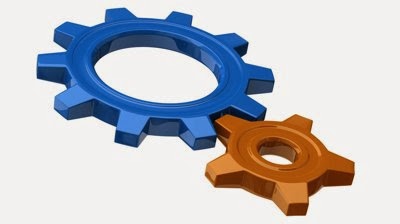
Imagine a box with two cogwheels, one big with 24 teeth and one small with 8 teeth. The big one is firmly attached to the center of the box which means it does not turn or move while the small one rotates around the big one.
How many times do you think that the smaller wheel will turn compared to the box when it turns once around the big one?
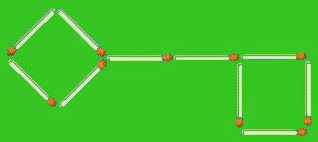
In the given figure, move three matchsticks so that the resulting figure contains two rectangles.
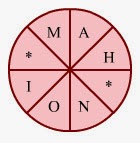
In the given picture, you can find two letters missing. When two particular letters are placed in the missing spots, you get an eight-letter word while reading in the anti-clockwise direction. Can you find out the missing letters and the missing word eventually?
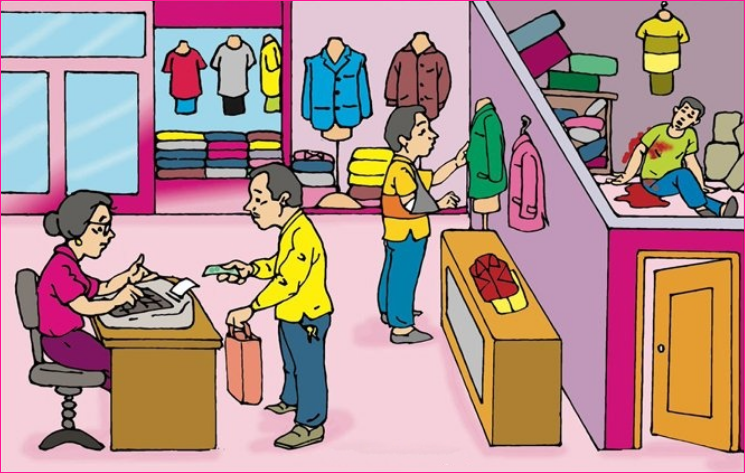
Be active and find the killer in the picture Riddle below.
There is a brick of gold and a brick of iron in a boat (both 10-inch blocks), if they are both dropped into the water which will make the water level higher?