A man is walking down a road with a basket of eggs. As he
is walking he meets someone who buys one-half of his eggs
plus one-half of an egg.
He walks a little further and meets another person who buys
one-half of his eggs plus one-half of an egg.
After proceeding further he meets another person who buys
one-half of his eggs plus one half an egg. At this point, he
has sold all of his eggs, and he never broke an egg.
How many eggs did the man have to start with?

Using four sevens (7) and a one (1) create the number 100. Except for the five numerals, you can use the usual mathematical operations (+, -, x, :), root and brackets ()
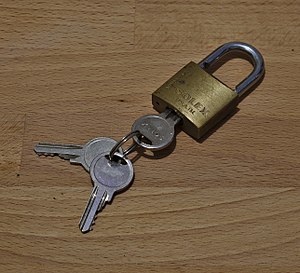
With pointed fangs I sit and wait; with piercing force I crunch out fate; grabbing victims, proclaiming might; physically joining with a single bite. What am I?
A man had five children. He had $100 with him to give to his children. He decided to start with the youngest child and then give $2 more than each younger child to his next elder child.
For example, if he gives $x to the youngest child, he will give $(x+2) to the next one, $[(x+2) + 2] to the next one and so on.
Can you find out how much did the youngest one receive?
If a zookeeper had 100 pairs of animals in her zoo, and two pairs of babies are born for each one of the original animals, then (sadly) 23 animals don’t survive, how many animals do you have left in total?
A red house is made out of red bricks. A yellow house is made out of yellow bricks. And, a blue house is made out of blue bricks. So, what is a greenhouse made of?