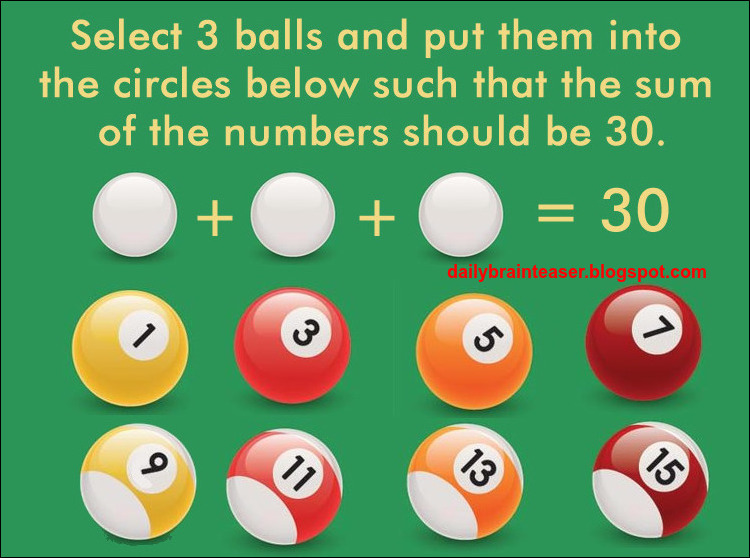
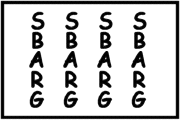
We are sharing a few instructions below, which you have to use in any suitable order to modify the above sentence such that the end sentence is a scientific fact.
- Eliminate a letter and supplement another in its place.
- Take away one word.
- Remove one letter from one word.
- Get rid of two letters from one word.
- Swap a word with its antonym.