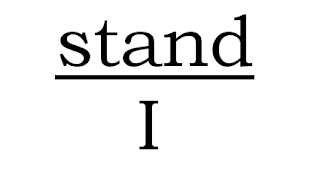
I want to fill my bucket using both cold and hot water.
I have two taps for both cold and hot water. The hot water tap fills the bucket in exact 6 hours and the cold water tap fills the bucket in exact 4 hours.
I turn both of them simultaneously but I forgot to turn off another tap which removes the water out of the bucket. This tap can empty the bucket in 12 hours.
John: "Hi Teacher, What is your favourite movie ?".
Chemistry Teacher: "Indium Cerium Platinum Iodine Oxygen Nitrogen".
Ten seconds later... John replied I got it.
In four steps you need to move the word 'cold' From 'warm' by replacing one alphabet at a time such that every word formed at each step is acceptable in English Dictionary.