What word is pronounced the same if you take away four of its five letters?
What is harder to catch the faster you run?
No one wants to have it, but if one got it, he does not want to lose it. What is It?
A woman who works in a sweet shop has a measurement of 32-26-36, is 5"4" tall, and wears size "6" shoes. What do you think she weighs?
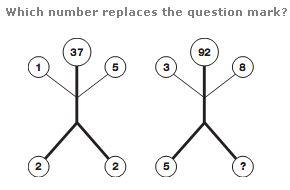
Replace the question mark with the correct number below.
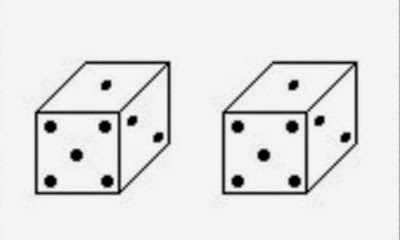
Which word does the below Plexor means ?
Can you make a six-letter word using the letters N, A and B ?
The person who makes it has no need for it; the person who buys it has no use for it. The person who uses it can neither see nor feel it. What is it?
Until it is measured, not known. Yet how you miss it when it has gone. What is it?
I come in different shapes and sizes. Parts of me are curved, other parts are straight. You can put me anywhere you like, but there is only one right place for me. What am I?
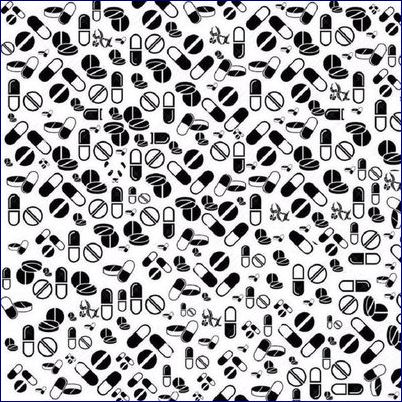
Find the hidden panda in the image below.
In the 1920s, people feared that crossword puzzles would contribute to illiteracy.