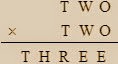
A Detective reviewed the information they had on the case so far.
A lady named 'Caterina' was found shot and they already had a list of suspects - Ankit, Tarun, Harish, Manoj and Manish.
The killer is a fan of challenges him by leaving notes ad various places.
* The first was found in a toilet room.
* The second was found in an art room.
* The third was in a restroom.
* the fourth in an underwater room.
* The fifth at the no-smoking room.
All of the notes read the same thing, 'The clues are where you find the notes.' Yet, nothing was found at any place the notes were.
Detective the genius, immediately solved the case.
Who was the killer?